

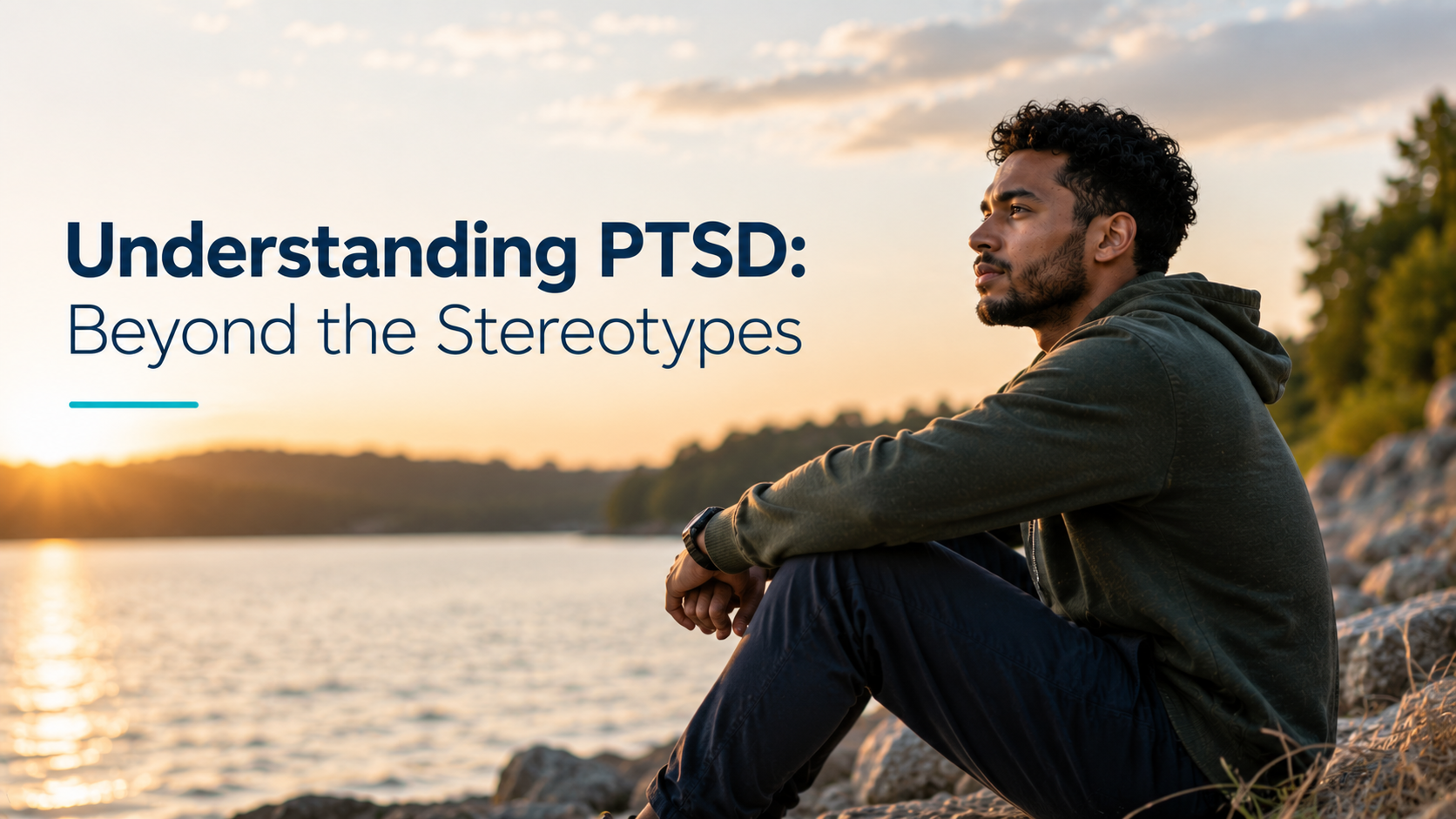
June is PTSD Awareness Month, an opportunity to increase understanding of Post-Traumatic Stress Disorder (PTSD), reduce stigma, and remind those affected that healing is possible.
While many people associate PTSD with military service, PTSD can affect anyone who has experienced or witnessed a traumatic event. Trauma can impact individuals of all ages, backgrounds, and life experiences.
What Is PTSD?
PTSD is a mental health condition that can develop after experiencing or witnessing a traumatic event.
Examples of traumatic experiences may include:
- Military combat
- Physical or sexual assault
- Domestic violence
- Serious accidents
- Natural disasters
- Childhood abuse or neglect
- Community violence
- Medical trauma
- Sudden loss of a loved one
Not everyone who experiences trauma develops PTSD, but for some individuals, symptoms persist long after the event has passed.
Common Symptoms of PTSD
PTSD symptoms generally fall into four categories:
Re-Experiencing Symptoms
- Flashbacks
- Nightmares
- Intrusive memories
- Emotional distress when reminded of the trauma
Avoidance
- Avoiding people, places, or situations connected to the event
- Avoiding conversations or thoughts about the trauma
Changes in Mood and Thinking
- Persistent fear, guilt, shame, or sadness
- Feeling detached from others
- Difficulty experiencing positive emotions
- Negative beliefs about oneself or the world
Hyperarousal
- Being easily startled
- Difficulty sleeping
- Irritability or anger
- Feeling constantly on guard
PTSD Is Not a Personal Failure
One of the most harmful misconceptions about PTSD is that individuals should simply "move on" or "get over it."
PTSD is not a weakness. It is a complex response to trauma that affects how the brain and body process stress and danger. Symptoms are real, and treatment can help.
Recovery Is Possible
Effective treatments for PTSD are available and can significantly improve quality of life.
Treatment options may include:
- Trauma-focused therapy
- Cognitive Behavioral Therapy (CBT)
- Eye Movement Desensitization and Reprocessing (EMDR)
- Medication management
- Stress reduction and coping skills training
- Support groups
Healing does not mean forgetting what happened. It means learning how to move forward without trauma controlling your life.
Supporting Someone With PTSD
If someone you care about is living with PTSD:
- Listen without judgment
- Avoid pressuring them to talk before they're ready
- Learn about trauma and its effects
- Encourage professional support
- Be patient with the recovery processPT
Hope After Trauma
Recovery looks different for everyone, but no one has to navigate it alone.
This PTSD Awareness Month, let's increase understanding, reduce stigma, and remind those affected by trauma that support, healing, and hope are possible.

.png)
.png)