

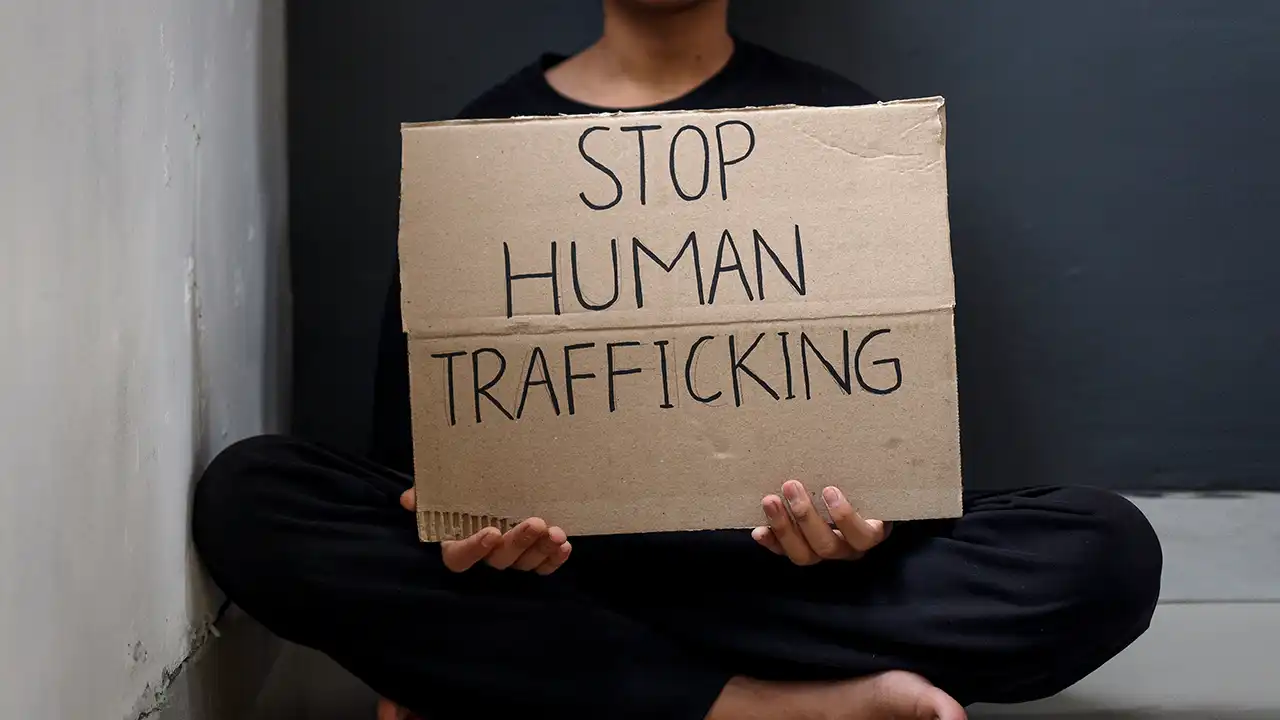
January is National Human Trafficking Prevention Month
Human trafficking is often talked about through the lens of crime, exploitation, and safety—and rightfully so. What we don’t talk about enough is the mental health impact: the trauma that increases vulnerability, the psychological tactics traffickers use, and the long road survivors face toward healing.
Human trafficking is not just a crime.
It is a mental health crisis.
As we honor Human Trafficking Prevention Month, this conversation must include the emotional and psychological realities that surround trafficking—and the ways all of us can help create safer, more trauma-informed communities.
Understanding Trafficking Through a Mental Health Lens
Trafficking does not begin with the act of exploitation.
It begins long before that—with vulnerabilities that are often rooted in mental and emotional distress:
- Unresolved trauma
- Low self-worth
- Family instability
- Loneliness and unmet emotional needs
- Lack of trusted support systems
- Untreated mental health conditions
- Substance-use vulnerability
Traffickers look for these cracks—and then wedge them open.
They do not usually abduct.
They manipulate, groom, promise, emotionally bond, isolate, and psychologically break down.
This is why awareness must go deeper than “stranger danger.”
Prevention starts with understanding how mental health intersects with risk.
The Psychological Tactics Traffickers Use
Traffickers rarely rely on force alone. Their most powerful tools are emotional:
1. Grooming the Need for Belonging
Humans desire connection and acceptance. Traffickers exploit this by offering love, validation, or safety—especially to those who feel unseen.
2. Manipulating Self-Worth
Traffickers target individuals who already struggle with confidence, identity, or mental health challenges.
They reinforce lies like:
- “I’m the only one who cares about you.”
- “No one else will help you.”
- “You can’t make it without me.”
Over time, these messages reshape identity and break down independence.
3. Creating Trauma Bonds
Through a cycle of kindness, control, fear, and reward, victims become mentally conditioned to rely on their trafficker.
Trauma bonding makes it incredibly difficult for a victim to leave—even when escape seems possible.
4. Isolating From Support
By cutting off friends, family, or community ties, traffickers create emotional dependence.
Isolation amplifies fear, confusion, and hopelessness.
These are not just tactics of control—they are forms of psychological abuse.
The Mental Health Impact on Survivors
The effects of trafficking are lifelong. Survivors often face:
- Complex PTSD
- Chronic anxiety
- Depression
- Dissociation
- Sleep disturbances and nightmares
- Substance-use struggles
- Difficulty trusting others
- Identity confusion or shame
- Hypervigilance
- Suicidal ideation
Healing is possible, but it requires trauma-informed, compassionate, and long-term support.
How We Can Help Prevent Trafficking Through a Mental Health Approach
Prevention goes far beyond awareness posters and hotline numbers.
It starts with strengthening mental wellness and emotional resilience—especially for youth and vulnerable adults.
1. Encourage Open Conversations About Mental Health
When people feel safe talking about emotions, trauma, and fear, they are less likely to be isolated—and less vulnerable to manipulation.
2. Build Trusting Relationships
Healthy connection is one of the strongest protective factors against exploitation.
3. Teach Emotional Regulation and Boundaries
Survivors often share that they never learned to set boundaries or identify unhealthy relationships early on.
Teaching this matters.
4. Recognize Signs of Emotional Grooming
Changes in behavior, secrecy, sudden relationships with controlling individuals, or withdrawing from support systems may indicate risk.
5. Support Community Mental Health Resources
Access to mental health care is a prevention tool.
When people receive support, they become less vulnerable to predatory behavior.
6. Promote Resilience and Self-Worth
Confidence, emotional stability, and a sense of belonging reduce susceptibility to traffickers’ tactics.
7. Advocate for Trauma-Informed Spaces
Whether in schools, clinics, gyms, churches, workplaces, or online communities—trauma-informed practices create safer environments.
Healing Is Possible—and Prevention Is Powerful
Human trafficking doesn’t just exploit the body; it wounds the mind.
Recognizing the mental health components helps us intervene earlier, support survivors better, and build communities that protect rather than overlook.
January is Human Trafficking Prevention Month—but the work continues all year.
When we focus on mental wellness, connection, empathy, and awareness, we help close the emotional gaps that traffickers exploit.
Because prevention isn’t just about stopping traffickers.
It’s about strengthening people.

.png)
.png)