

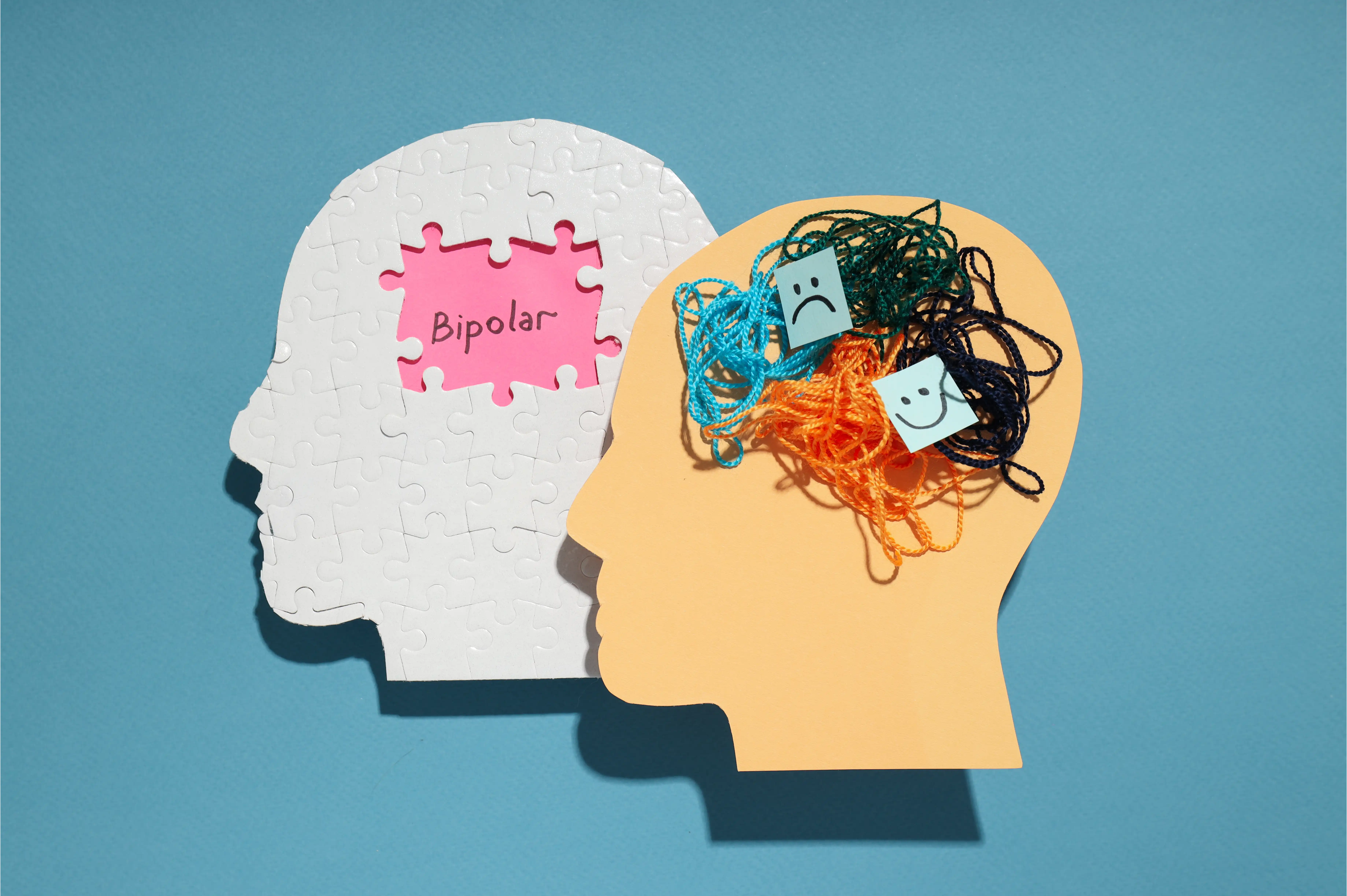
World Bipolar Day, observed each year on March 30, is dedicated to increasing awareness, reducing stigma, and improving understanding of bipolar disorder. The date was chosen to honor Vincent van Gogh's birthday, whose life and work are often discussed in relation to mental health and creativity.
This day serves as a reminder that bipolar disorder affects millions of people worldwide—and that with proper care, individuals can live stable, meaningful, and fulfilling lives.
What Is Bipolar Disorder?
Bipolar disorder is a mental health condition characterized by changes in mood, energy, activity levels, and the ability to carry out daily tasks. These mood shifts typically include periods of elevated or irritable mood (mania or hypomania) and periods of depression.
Bipolar disorder exists on a spectrum, and symptoms can vary widely from person to person. Some individuals experience long periods of stability between episodes, while others may notice more frequent mood changes.
Common Myths and Misunderstandings
Despite growing awareness, bipolar disorder is still widely misunderstood. Some common myths include the belief that people with bipolar disorder are constantly unstable or that mood swings are simply part of someone’s personality.
In reality, bipolar disorder is a medical condition—not a character flaw. With appropriate treatment, many individuals successfully manage symptoms and maintain strong relationships, careers, and routines.
The Importance of Accurate Diagnosis and Treatment
Early and accurate diagnosis is essential. Because symptoms can overlap with other mental health conditions, bipolar disorder is sometimes misdiagnosed, which can delay effective treatment.
Treatment plans often include a combination of medication management, therapy, lifestyle support, and routine monitoring. When care is consistent and individualized, individuals are better equipped to recognize early warning signs, manage stress, and maintain stability.
Living Well With Bipolar Disorder
Living with bipolar disorder does not mean living without hope. Stability is built over time through self-awareness, treatment adherence, healthy routines, and support systems.
Recovery looks different for everyone. It may include learning how to balance rest and activity, managing stress, building coping skills, and maintaining open communication with care providers. Support from family, friends, and mental health professionals plays a vital role.
Reducing Stigma Through Awareness and Education
World Bipolar Day encourages open conversations about mental health and challenges harmful stereotypes. Sharing accurate information and lived experiences helps reduce fear and misinformation—and reminds individuals that they are not alone.
When communities understand bipolar disorder, individuals are more likely to seek help early and stay engaged in care.
Turning Awareness Into Action
World Bipolar Day is not only about recognition—it’s about access to care, compassion, and long-term support. Mental health treatment works, and support is available.
If you or someone you love is experiencing mood changes, emotional distress, or symptoms of bipolar disorder, professional mental health care can help. Early support can make a meaningful difference in long-term well-being.

.png)
.png)