

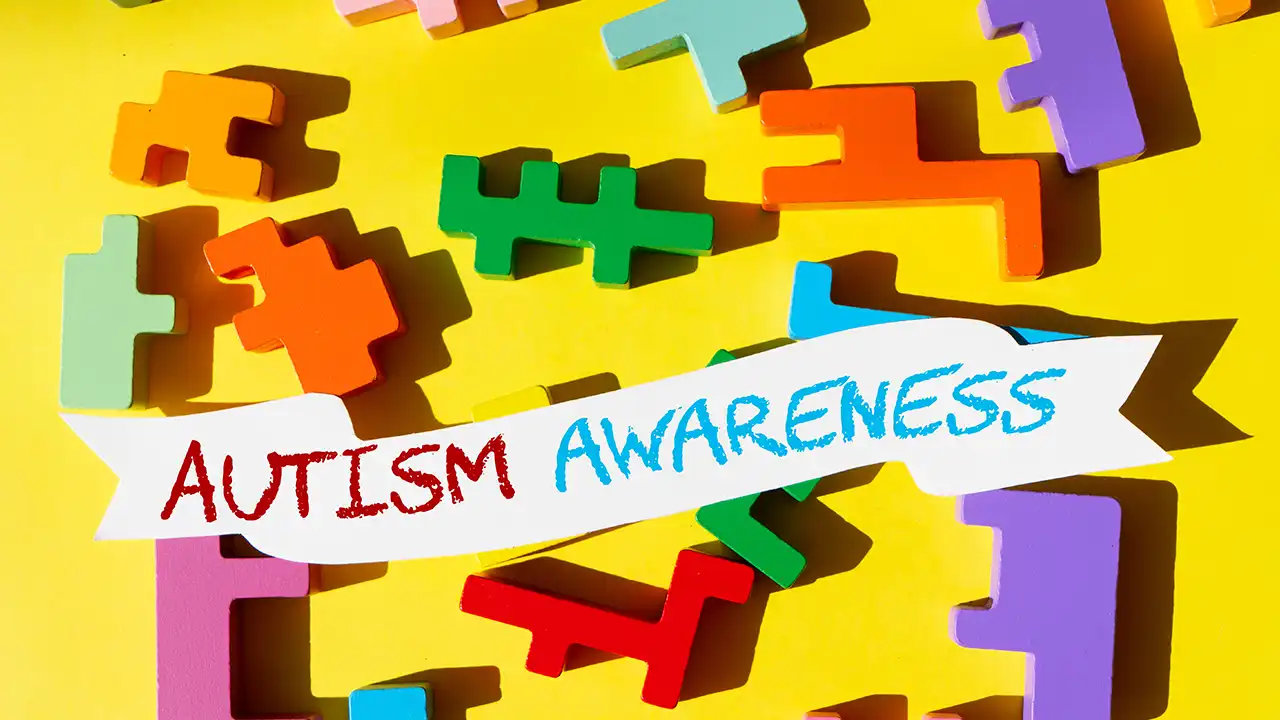
Every April, Autism Awareness Month invites us to deepen our understanding of autism spectrum disorder (ASD), celebrate neurodiversity, and create more inclusive communities. While autism is a developmental condition—not a mental illness—it is closely connected to mental health in ways that are often overlooked.
For individuals on the autism spectrum, navigating a world that isn’t always designed for neurodivergent minds can present unique emotional and psychological challenges. Raising awareness about this connection is an important step toward ensuring individuals with autism receive the support they deserve.
What is Autism Spectrum Disorder?
Autism spectrum disorder (ASD) is a developmental condition that affects how individuals communicate, interact socially, and process sensory information. Because autism exists on a spectrum, experiences can vary widely from person to person.
Some individuals may need significant support in daily life, while others live independently and thrive in careers, relationships, and community involvement.
Common characteristics may include:
- Differences in social communication
- Repetitive behaviors or routines
- Sensory sensitivities
- Deep focus on specific interests
- Preference for structure and predictability
These differences are not deficits—they are part of the diverse ways people experience and interact with the world.
The Overlap Between Autism and Mental Health
Although autism itself is not a mental health disorder, research shows that individuals with autism are more likely to experience certain mental health challenges.
Some of the most common include:
- Anxiety disorders
- Depression
- Attention challenges
- Social stress and isolation
- Emotional regulation difficulties
Many of these challenges arise not from autism itself, but from navigating environments that may not fully understand or support neurodivergent needs.
For example, sensory overload in busy environments, difficulty interpreting social cues, or feeling misunderstood by peers can contribute to stress and anxiety.
Why Early Support Matters
Early identification and supportive interventions can make a meaningful difference in overall wellbeing. Behavioral health professionals can help individuals with autism build skills that support emotional health, social connection, and resilience.
Mental health support may include:
- Therapy to support emotional regulation
- Strategies for managing anxiety and stress
- Social skills development
- Support for families and caregivers
- Tools for navigating school, work, and relationships
When mental health is prioritized alongside developmental support, individuals with autism are better equipped to thrive.
Supporting Individuals with Autism
Creating supportive environments benefits everyone. Whether at home, school, or in the workplace, small changes can make a big difference.
Ways to support individuals with autism include:
- Practicing patience and understanding
- Respecting communication differences
- Creating predictable routines and expectations
- Being mindful of sensory environments
- Encouraging strengths and interests
Most importantly, listening to the voices and experiences of individuals on the spectrum helps guide how we build more inclusive communities.
Moving From Awareness to Acceptance
Autism Awareness Month is about more than learning facts—it’s about fostering understanding, compassion, and acceptance.
By recognizing the connection between autism and mental health, we can better support individuals and families navigating these experiences. Access to compassionate behavioral health services, community support, and informed care can make a meaningful difference.
At CTSHealth, we believe mental health care should be accessible, respectful, and responsive to the unique needs of every individual.
When communities work together to understand neurodiversity, everyone benefits.

.png)
.png)