

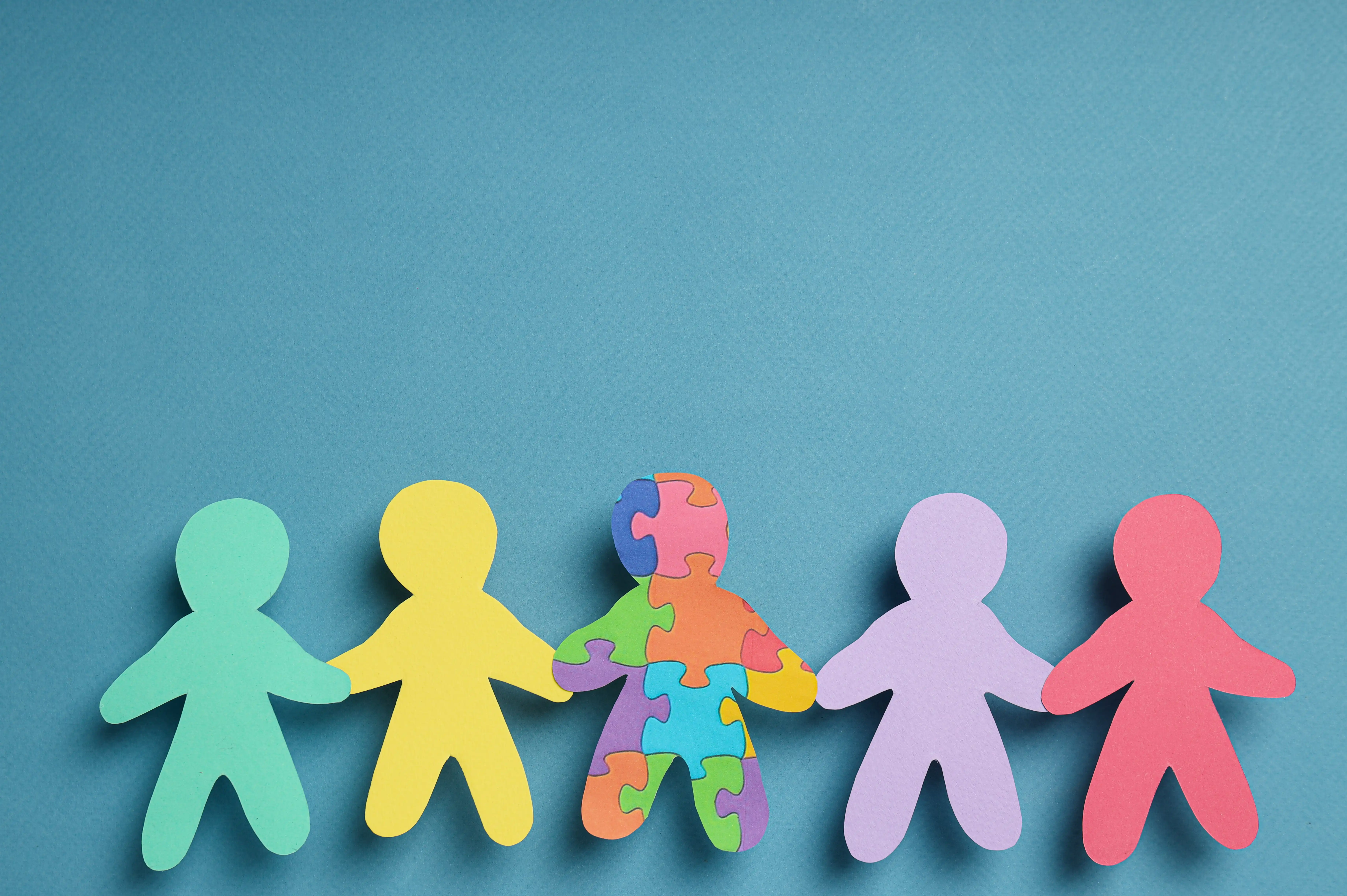
Each March, Developmental Disabilities Awareness Month highlights the importance of inclusion, understanding, and support for individuals with developmental disabilities. It is a time to recognize strengths and abilities—while also addressing the unique challenges many individuals and families face.
One important, and often overlooked, part of this conversation is mental health.
Individuals with developmental disabilities experience mental health concerns at similar—or higher—rates than the general population, yet their needs are frequently misunderstood or underdiagnosed. Awareness creates an opportunity to promote more inclusive, responsive mental health care.
Understanding Developmental Disabilities
Developmental disabilities are a group of conditions that typically begin in childhood and may impact learning, communication, behavior, or daily functioning. These disabilities vary widely in how they affect individuals and how much support is needed.
People with developmental disabilities are students, employees, family members, friends, and community participants. Like everyone else, they experience stress, emotions, relationships, and life transitions—all of which influence mental health.
The Connection Between Developmental Disabilities and Mental Health
Mental health concerns such as anxiety, depression, trauma-related stress, and behavioral challenges are common among individuals with developmental disabilities. These concerns may arise from:
- Communication barriers
- Social isolation or exclusion
- Difficulty navigating transitions or change
- Medical complexity or sensory sensitivities
- Experiences of stigma or misunderstanding
Because symptoms may present differently, mental health needs can sometimes be misattributed solely to a disability rather than recognized as treatable mental health conditions.
Barriers to Mental Health Care
Individuals with developmental disabilities often face barriers to accessing mental health services, including:
- Limited providers trained in developmental and intellectual disabilities
- Difficulty communicating symptoms
- Care environments that are not sensory- or accessibility-friendly
- A lack of integrated care across medical, behavioral, and social supports
Reducing these barriers requires education, flexibility, and collaboration across care teams.
Why Inclusive Mental Health Care Matters
Inclusive mental health care recognizes the whole person—not just a diagnosis. Effective support is individualized, respectful, and grounded in understanding each person’s communication style, strengths, and support system.
Mental health treatment may include therapy, psychiatry, skill-building, caregiver support, and coordination with schools or community programs. When care is tailored appropriately, individuals with developmental disabilities can experience improved emotional well-being, stability, and quality of life.
Supporting Families and Caregivers
Families and caregivers play a vital role in supporting individuals with developmental disabilities. They, too, benefit from education, guidance, and mental health support. Addressing caregiver stress and burnout strengthens outcomes for everyone involved.
Mental health care is most effective when it supports both individuals and their broader support networks.
Turning Awareness Into Action
Developmental Disabilities Awareness Month reminds us that mental health care should be accessible, inclusive, and compassionate for people of all abilities. Awareness leads to understanding—and understanding leads to better care.
If you or someone you love has a developmental disability and is experiencing emotional or behavioral challenges, professional mental health support can help. Everyone deserves care that honors their needs, strengths, and potential.

.png)
.png)